
In today’s fast-paced industrial world, automation controls play a crucial role in improving efficiency, reducing costs, and ensuring quality. Whether you’re running a manufacturing plant, a processing facility, or a logistics operation, understanding industrial automation controls can provide your business with a competitive edge.This guide explores the fundamentals of industrial automation controls, their components, benefits, and emerging trends in the industry.
What Are Industrial Automation Controls?
Industrial automation controls are systems and devices used to manage industrial processes with minimal human intervention. These controls help industries automate repetitive tasks, monitor equipment, and optimize production processes to achieve higher efficiency and accuracy.Automation controls integrate hardware and software to control machinery, monitor data, and ensure smooth operation. From simple relay-based systems to advanced PLCs (Programmable Logic Controllers) and SCADA (Supervisory Control and Data Acquisition) systems, automation controls cater to a wide range of industrial applications.
Key Components of Industrial Automation Controls
1. Programmable Logic Controllers (PLCs)
PLCs are the backbone of automation systems. These rugged computers are designed to withstand harsh industrial environments and perform real-time control of machinery. They are programmed to execute specific tasks like turning on/off motors, controlling conveyor belts, or monitoring temperature levels.
2. Human-Machine Interface (HMI)
HMIs allow operators to interact with automation systems. They provide visual representations of processes, enabling operators to monitor performance, adjust settings, and troubleshoot issues in real time.
3. Sensors and Actuators
- Sensors collect data such as temperature, pressure, speed, or proximity from the physical environment.
- Actuators convert electrical signals into physical action, such as opening a valve or moving a robotic arm.
4. Supervisory Control and Data Acquisition (SCADA)
SCADA systems monitor and control industrial processes from a central location. They collect data in real-time, process it, and provide actionable insights to operators, ensuring better decision-making.
5. Industrial Network Protocols
Protocols like Modbus, Ethernet/IP, and Profibus enable communication between automation devices. These protocols ensure seamless data exchange across the system.
Benefits of Industrial Automation Controls
- Increased Efficiency: Automation minimizes downtime and maximizes production output.
- Enhanced Accuracy: Reduces human error, leading to consistent product quality.
- Cost Savings: Lowers labor costs and minimizes waste through optimized processes.
- Improved Safety: Automation reduces employee exposure to hazardous environments.
- Real-Time Monitoring: Provides real-time data for better decision-making and predictive maintenance.
Applications of Industrial Automation Controls
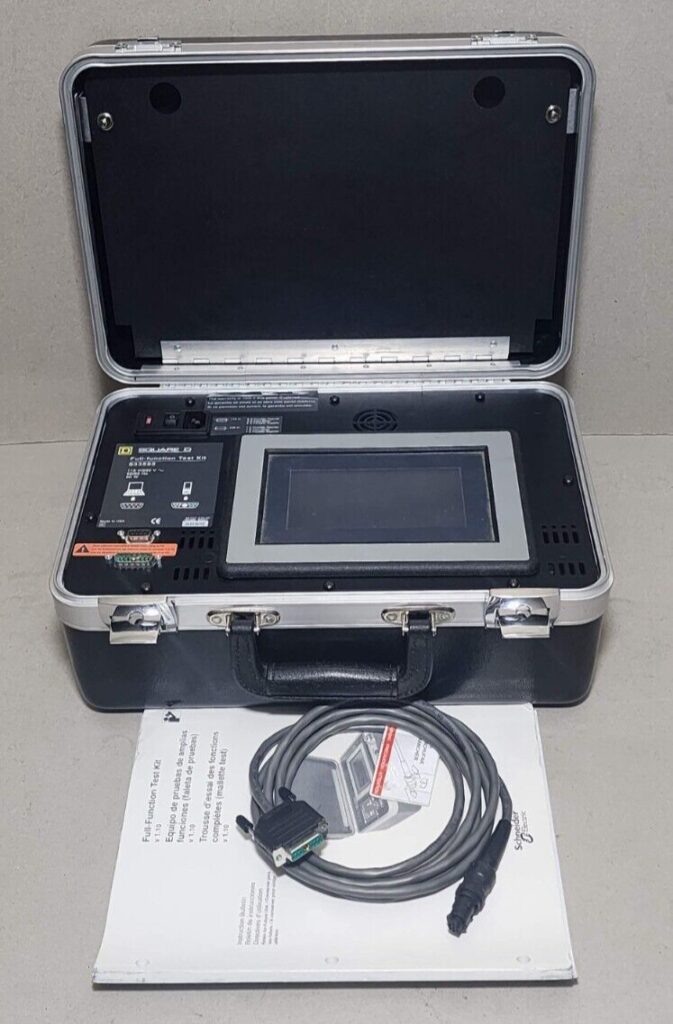
Industrial automation controls are used across various industries, including:
- Manufacturing: Assembly lines, robotic arms, and CNC machines.
- Energy: Power plants, renewable energy systems, and grid management.
- Food and Beverage: Packaging, sorting, and quality control systems.
- Automotive: Automated assembly lines and painting robots.
- Pharmaceuticals: Precision dosing, mixing, and packaging.
Emerging Trends in Industrial Automation Controls
1. Industrial Internet of Things (IIoT)
IIoT connects industrial devices to the internet, enabling smarter data collection, predictive maintenance, and remote monitoring.
2. AI and Machine Learning
Advanced AI algorithms are being integrated into automation systems to predict system failures, optimize processes, and improve decision-making.
3. Edge Computing
Edge computing processes data closer to the source, reducing latency and improving real-time decision-making.
4. Cybersecurity in Automation
With increased connectivity, securing automation systems from cyber threats has become a top priority for industries.
How to Choose the Right Automation Control System for Your Industry
When selecting an automation control system, consider the following factors:
- Scalability: Can the system grow with your business?
- Compatibility: Does it integrate with your existing equipment?
- Ease of Use: Is the interface user-friendly for operators?
- Reliability: Is the system robust enough for your application?
- Cost: Does the system fit within your budget without compromising quality?
Conclusion
Industrial automation controls are transforming the way industries operate by enhancing efficiency, safety, and productivity. From PLCs and HMIs to emerging technologies like IIoT and AI, these systems are paving the way for a smarter, more connected industrial future.Ready to upgrade your operation? Explore our range of industrial automation controls and take your business to the next level. Contact us today for expert advice and solutions tailored to your industry.
Leave a Reply